
The Best Monitors in Australia
Our guide to the best monitors in Australia ranks seven picks using owner ratings and review counts, independent recommendations, maker specifications, price and Amazon Australia stock checks.
On this page
- The best monitors in Australia
- 1. Best overall gaming upgrade: Alienware AW3225QF
- 2. Best budget gaming monitor: Samsung Odyssey G30D
- 3. Best for creative work: ASUS ProArt PA27JCV
- 4. Best for high-refresh QHD gaming: Alienware AW2725DF
- 5. Best affordable QHD upgrade: Samsung Odyssey G51F
- 6. Best budget Fast IPS pick: AOC 27G42E
- 7. Best for switching between resolution and speed: AOC AGON AG276UZ
- Monitor buying guide
- Frequently asked questions
- How we chose
Your monitor needs replacing, but choosing between sharper pictures, faster gaming and a sensible price can turn into another evening of research. Our guide to the best monitors in Australia makes the answer clear: the Alienware AW3225QF is our top pick for a substantial gaming upgrade, combining 4K resolution and 240Hz with a 4.71 out of 5 owner score from 38 reviews.
It’s also the dearest monitor here. If keeping the cost down matters more, choose the Samsung Odyssey G30D. For detailed creative work rather than gaming, our recommendation is the ASUS ProArt PA27JCV.
The best monitors in Australia
- Best overall gaming upgrade: Alienware AW3225QF
- Best budget gaming monitor: Samsung Odyssey G30D
- Best for creative work: ASUS ProArt PA27JCV
- Best for high-refresh QHD gaming: Alienware AW2725DF
- Best affordable QHD upgrade: Samsung Odyssey G51F
- Best budget Fast IPS pick: AOC 27G42E
- Best for switching between resolution and speed: AOC AGON AG276UZ
| Product | Price | ||
|---|---|---|---|
 | Alienware AW3225QF 32" 4K 240Hz Curved QD-OLED Gaming Monitor | from $1,499.00 | $1,499.00 at Amazon |
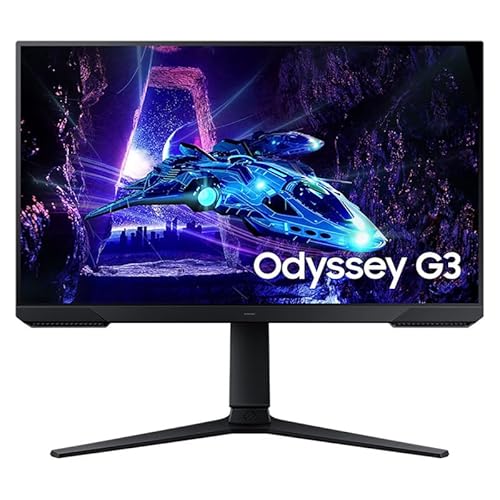 | Samsung 27" Odyssey G30D FHD Gaming Monitor (LS27DG302EEXXY) | from $189.00 | $189.00 at Amazon |
 | ASUS ProArt Display PA27JCV | from $1,199.00 | $1,199.00 at Amazon |
 | Alienware AW2725DF 27" QHD 360Hz QD-OLED Gaming Monitor | from $1,049.00 | $1,049.00 at Amazon |
 | Samsung 27" Odyssey G51F QHD Gaming Monitor (LS27FG510EEXXY) | from $352.77 | $352.77 at Amazon |
 | AOC 27G42E 27" FHD 200Hz Gaming Monitor (27G42E/11) | from $219.00 | $219.00 at Amazon |
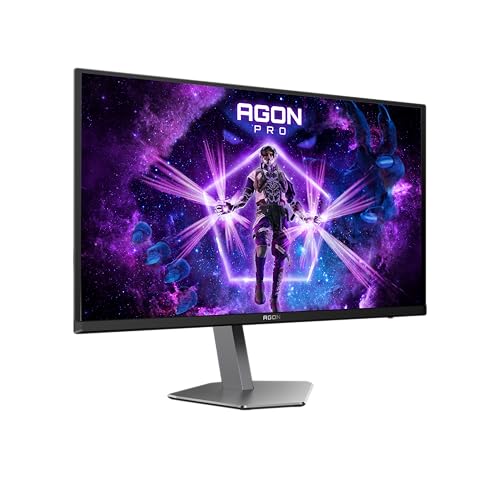 | AOC AG276UZ AGON 27" 4K 240Hz Gaming Monitor | from $999.00 | $999.00 at Amazon |
1. Best overall gaming upgrade: Alienware AW3225QF
If you’re spending serious money because your current screen no longer feels like enough, the Alienware AW3225QF is where we’d start. Its owner score has more reviews behind it than any other rated pick in this guide. That gives us a firmer reason to put it first than an impressive specification sheet alone.
Alienware’s listed 4K resolution and 240Hz refresh rate make this a convincing choice when you want both picture detail and fast gaming. You don’t have to choose one at the expense of the other.
The catch is the bill. This is the most expensive pick here, and we wouldn’t recommend it just to replace a basic screen for occasional games. Our take: spend this much when the display itself is a priority, rather than buying features you’re unlikely to use.
Pros
- Combines 4K detail with a high refresh rate
- More owner reviews behind its score than the other rated picks here
- Adjustable stand helps you set a comfortable viewing position
Cons
- Highest purchase price in this guide
- A costly choice if you only need a basic gaming display
Our verdict: Buy the AW3225QF for a substantial gaming upgrade with the strongest owner-rating support in this group. Choose the G30D below if cost matters more than 4K.
2. Best budget gaming monitor: Samsung Odyssey G30D
Keeping the upgrade affordable is a perfectly good reason to pass on 4K. The Samsung Odyssey G30D is our budget recommendation because it’s the cheapest pick here while retaining useful gaming features and an adjustable stand.
Samsung lists a 180Hz refresh rate, so the low price doesn’t mean settling for a basic refresh specification. Height adjustment also matters day to day: you can position the screen to suit your seat rather than arranging your desk around a fixed stand.
Where it falls short is resolution. Full HD is the compromise that keeps this recommendation firmly in the budget category; choose the G51F if a sharper QHD picture is worth paying more for. Its 4.5 out of 5 score is encouraging, although eight reviews is still a small sample.
Pros
- Lowest-priced pick in this guide
- High-refresh gaming without the cost of the QHD and 4K picks
- Stand adjustment makes positioning easier
Cons
- Full HD limits detail compared with the QHD and 4K choices here
- Owner score rests on just eight reviews
Our verdict: The G30D is the sensible buy when you want a gaming monitor and need to control the cost. Pay more for the G51F only if higher resolution matters to you.
3. Best for creative work: ASUS ProArt PA27JCV
If your screen is mainly for detailed creative work, buying around gaming refresh rates can send you towards the wrong monitor. The ASUS ProArt PA27JCV is our recommendation for that different job.
ASUS lists a 5K display, which makes fine detail the main reason to choose it. Its stated factory calibration is another useful reason to favour it when colour work matters. USB-C with 96W Power Delivery should also simplify a compatible laptop setup by combining display connectivity and power.
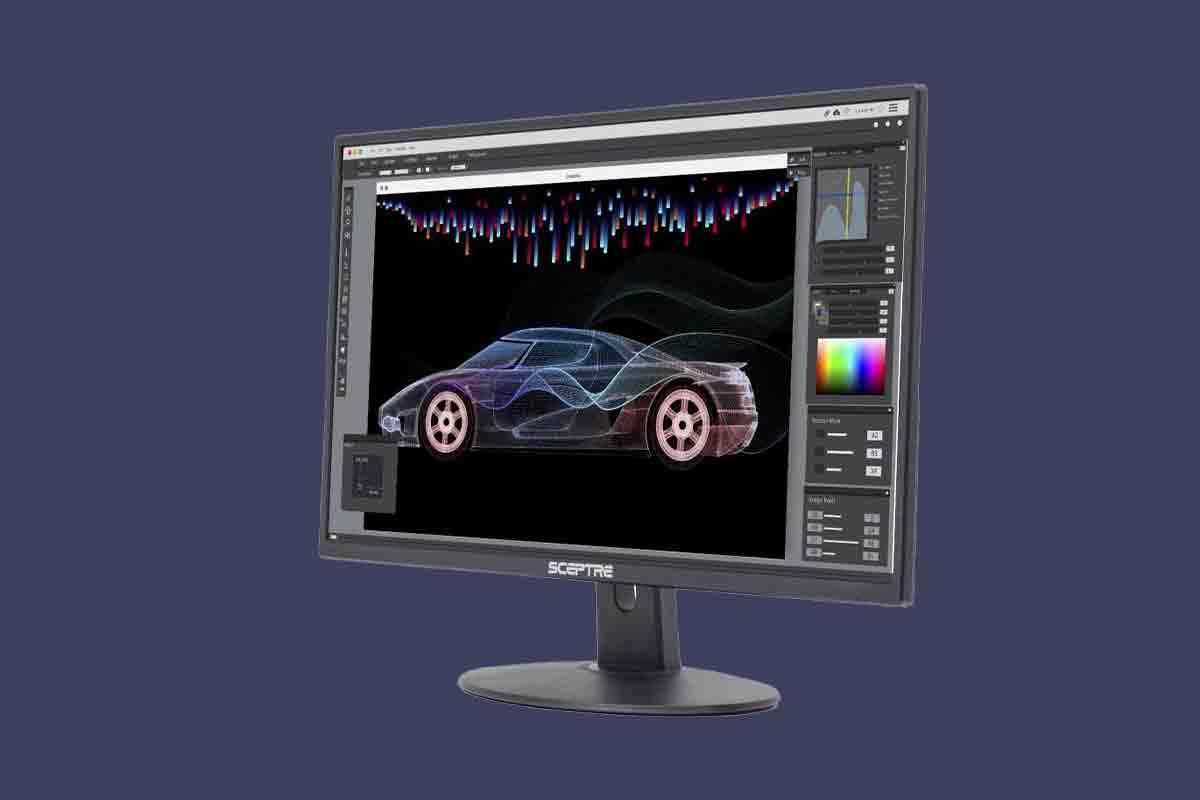
TechRadar recommends it as Australia’s best creator monitor for its sharp 5K display, impressive colour gamut and adjustable stand. We found no independent owner rating at the retailers we check.
It’s expensive, so our take is straightforward: buy it for the work you’ll do on it. Amazon Australia is the only retailer in the supplied data stocking this model; check the warranty and returns terms before ordering.
Pros
- High-resolution display suits buyers prioritising fine detail
- Factory calibration supports a colour-focused buying decision
- USB-C power delivery can simplify a compatible laptop desk
Cons
- Costs more than the budget and mid-priced gaming picks here
- No independent owner rating available from the retailers we check
Our verdict: Choose the PA27JCV when creative work is the reason you’re upgrading. For a gaming-led purchase, we’d put the money towards one of the Alienware models instead.
4. Best for high-refresh QHD gaming: Alienware AW2725DF
When your priority is a high-refresh gaming screen rather than 4K detail, the Alienware AW2725DF makes more sense than our top pick. It costs less than the AW3225QF and puts the emphasis on a listed 360Hz refresh rate.
You’re choosing QHD resolution here. That’s the decision to make before buying: favour this model for its refresh specification, or spend more on the AW3225QF if 4K is the point of the upgrade.
The owner score also deserves attention. At 4.11 out of 5 from nine reviews, it’s lower than the other rated picks in this guide. We’d choose it for its particular gaming specification, rather than treating the score as a reason to recommend it broadly.
Pros
- High-refresh QHD choice for buyers prioritising gaming speed
- Costs less than the AW3225QF
- Extensive stand adjustment helps you position the display
Cons
- Gives up the AW3225QF’s 4K resolution
- Lowest owner score among the rated picks here, from only nine reviews
Our verdict: Buy the AW2725DF if its 360Hz QHD specification matches your priorities. The AW3225QF remains our stronger overall recommendation.
5. Best affordable QHD upgrade: Samsung Odyssey G51F
If Full HD no longer gives you the detail you want, but the Alienware prices are too much, consider the Samsung Odyssey G51F. It’s the cheaper of our two QHD picks and our value choice for that resolution.
Samsung lists the same 180Hz refresh rate as the budget G30D. Our take is that the reason to spend more is the move to QHD, rather than expecting the extra money to buy a higher refresh rate.
The 4.7 out of 5 owner score looks strong, but it comes from just three reviews. That isn’t enough to settle the decision. The clearer argument is its price relative to the AW2725DF, provided you don’t need that model’s 360Hz specification.
Pros
- Less expensive route to QHD than the AW2725DF
- Retains a high-refresh gaming specification
- Automatic source switching can reduce manual input changes
Cons
- Costs more than the Full HD picks
- Just three reviews behind its owner score
Our verdict: The G51F is our choice when you want QHD without spending Alienware money. Buy it for the resolution and price, rather than putting too much weight on three ratings.
6. Best budget Fast IPS pick: AOC 27G42E
For a budget buyer specifically looking for Fast IPS, the AOC 27G42E deserves a look. It costs a little more than the G30D, so we’d choose it when that panel specification is part of your buying decision.
There’s a listing issue to resolve first. The supplied product name says 200Hz, while the feature list says 180Hz; the model suffix also differs between the Amazon title and model field. Confirm the exact version and refresh rate before paying.
Its 4.4 out of 5 score comes from five reviews. That’s a useful start, but it doesn’t give us enough reason to move it ahead of the cheaper Samsung as the default budget recommendation.
Pros
- Low-cost route to a listed Fast IPS display
- HDR10 support without moving into the higher-priced picks
Cons
- Conflicting refresh-rate and model details require checking before purchase
- Costs more than the G30D while retaining Full HD resolution
- Owner rating comes from only five reviews
Our verdict: Choose the 27G42E if you specifically want Fast IPS and the seller confirms the version you’re buying. Otherwise, the G30D is our simpler budget recommendation.
7. Best for switching between resolution and speed: AOC AGON AG276UZ
If you want detailed games one evening and prioritise refresh rate the next, the AOC AGON AG276UZ gives you a specific reason to spend more. AOC lists two modes: 4K at 240Hz, or Full HD at 480Hz.
That flexibility is the attraction, and the catch is equally clear. Selecting the faster mode means giving up 4K resolution. Don’t buy it expecting both headline figures at once.
It costs less than the AW3225QF, but its perfect owner score comes from just two reviews. Our take: dual mode earns it a place here; two ratings don’t earn it first place.
Pros
- Lets you choose between 4K detail and a higher Full HD refresh rate
- Costs less than the AW3225QF
- Listed HDMI 2.1 and DisplayPort 2.1 provide connection choices
Cons
- The 480Hz mode requires dropping to Full HD
- Only two owner reviews support its perfect score
- Substantial purchase cost compared with the budget picks
Our verdict: Buy the AG276UZ if you’ll use both display modes. If you mainly want 4K gaming and stronger owner-rating support, choose the AW3225QF.
Monitor buying guide
If the upgrade needs to stay affordable
Start with the problem your current screen causes. If you simply need a gaming display at a low price, the G30D is our recommendation. Don’t pay for 4K just because it appears further up a specification sheet.
If Full HD detail is the problem, the G51F is the more relevant upgrade. It costs more, but spends that money on the resolution you’re looking for.
If you want faster gaming
Look at refresh rate alongside the resolution you want to use. The AW2725DF lists 360Hz at QHD, while the AG276UZ’s 480Hz mode requires Full HD.
Check that your computer, connection and intended settings can support the mode you’re buying the monitor for. A headline refresh rate isn’t a promise that every game will run at that frame rate.
If you want more picture detail
Choose the resolution before comparing extras. Our recommendation for 4K gaming is the AW3225QF. For creative work centred on fine detail and colour, choose the ProArt PA27JCV.
Those are different reasons to upgrade. Buying the creative-work pick because its resolution is higher would miss the point if gaming is your main job for the screen.
If your desk setup is uncomfortable
Stand adjustment deserves attention before another display specification. Look for the movements you need to bring the screen into a comfortable position.
Check the monitor’s dimensions against your available desk space before ordering. Screen size alone doesn’t tell you how the whole setup will fit.
If a perfect rating is tempting
Read the review count beside the score. The AG276UZ’s five out of five comes from two reviews; the AW3225QF’s 4.71 comes from 38. We put more weight on the latter.
Small samples aren’t a reason to rule a monitor out. They are a reason to make sure its features and price justify the purchase without relying on the rating.
Frequently asked questions
Which monitor should most gaming buyers choose from this guide?
The AW3225QF is our top recommendation for a substantial upgrade. The G30D is the better choice when keeping the purchase affordable is the priority.
Is QHD worth paying more for?
If you’re replacing a Full HD screen because you want more detail, QHD directly addresses that problem. The G51F is our affordable QHD recommendation; the AW2725DF suits buyers putting more emphasis on refresh rate.
Should you choose the ASUS ProArt for gaming?
We recommend it for creative work, consistent with the supplied independent recommendation. For a gaming-led purchase, choose a model whose listed gaming features match your priorities.
Can you compare the response-time figures directly?
Treat them cautiously. These listings include both MPRT-labelled figures and response times without that label. They aren’t presented on a consistent basis, so we haven’t used the smallest number to declare a winner.
How we chose
These reviews are based on owner ratings and review counts, maker specifications, independent recommendations where supplied, and price and stock checks. We weighted owner scores by the number of reviews, then considered what each monitor offers for its price and intended buyer. Every pick was in stock at Amazon Australia when checked; the ProArt’s recommendation comes from an independent source rather than a retailer owner rating.