
BLUETTI's Elite 100 mini brings 1kWh of portable power to Australia for $699
BLUETTI's Elite 100 mini is a 1kWh LiFePO4 power station at A$699 in Australia. Cheap for its capacity, but 700W output limits what it runs.
 By Laurence Deer
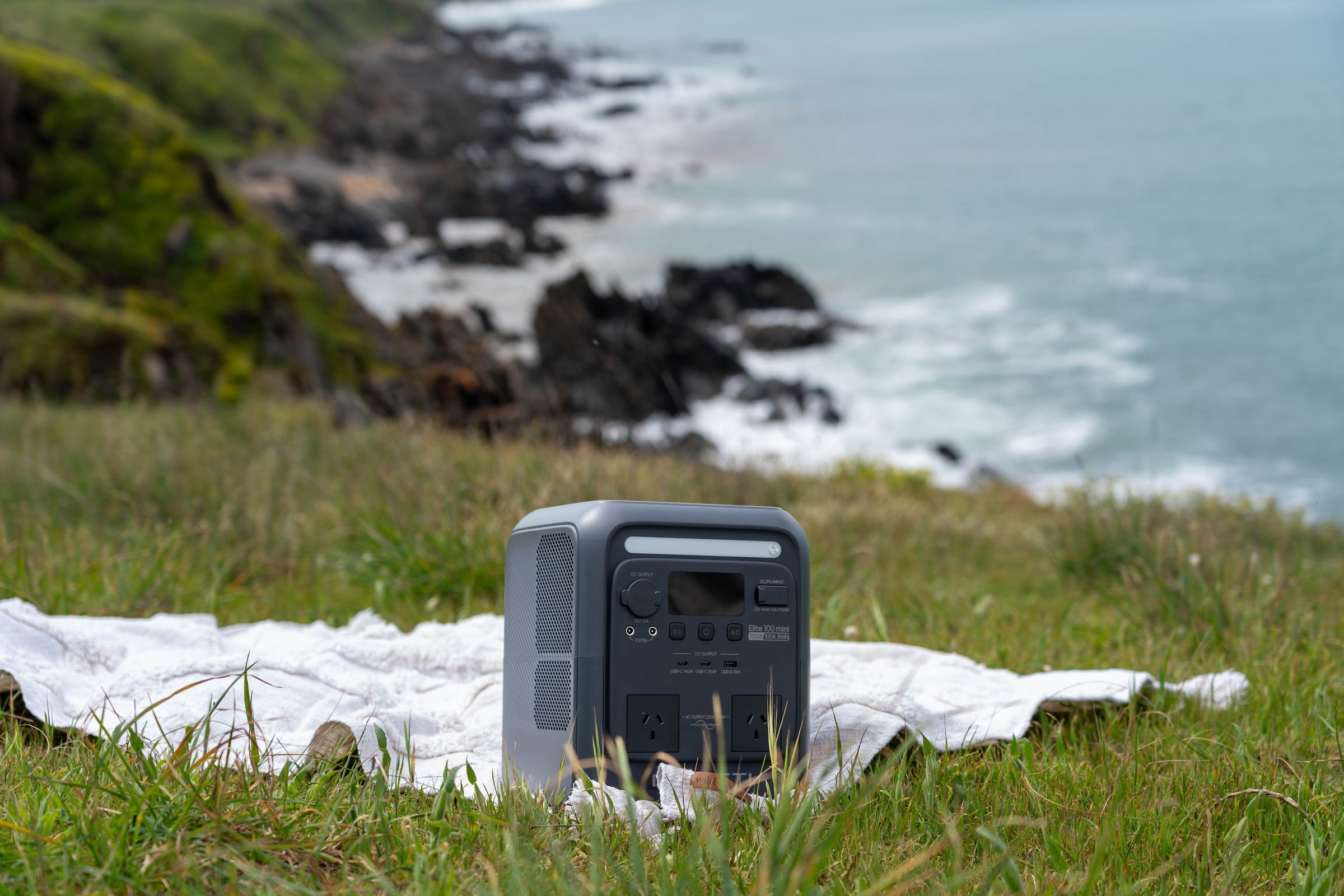
Images: BLUETTI.
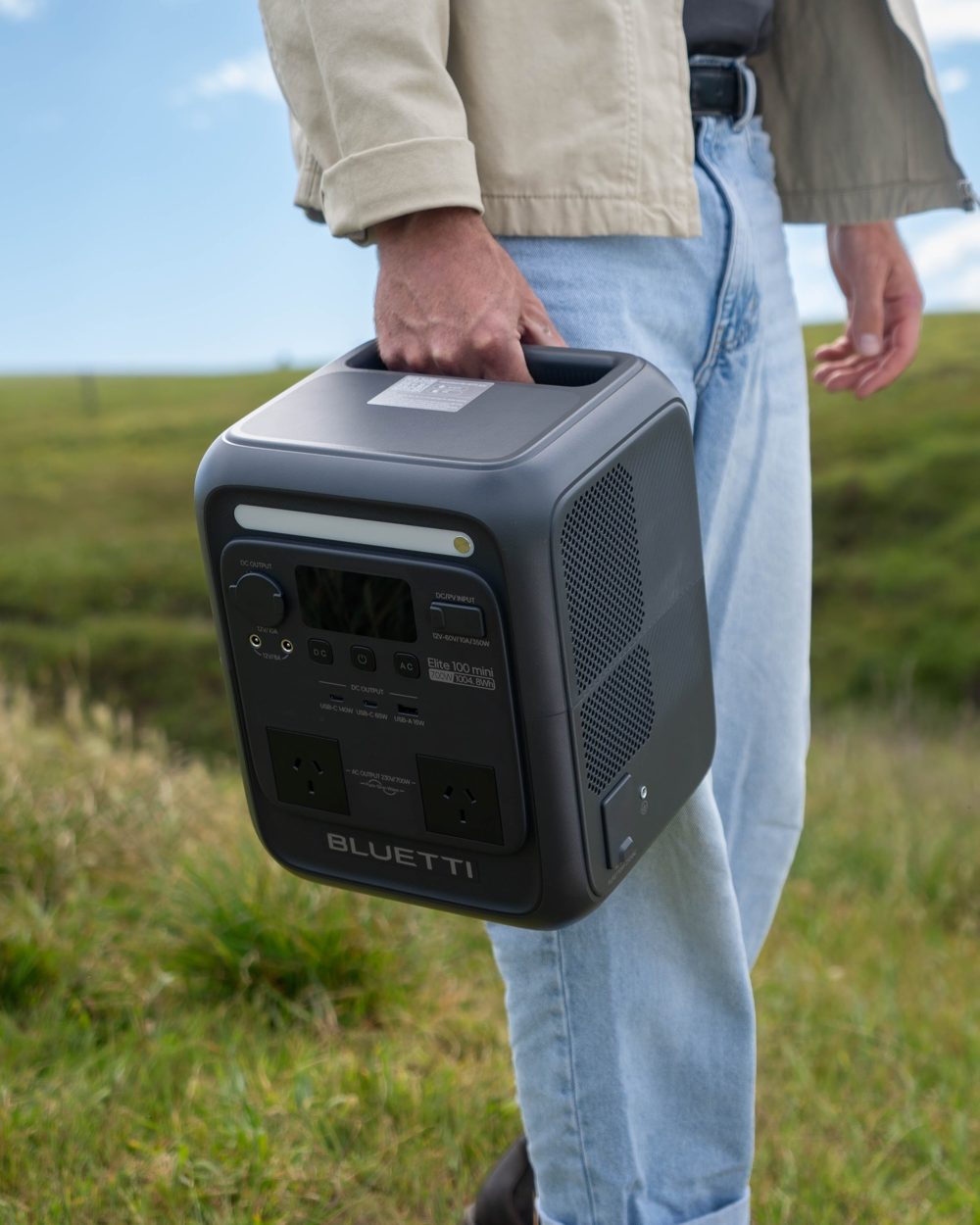
A power station with about a kilowatt-hour of battery has, until now, usually meant spending well over a thousand dollars and lugging something the size of an esky. BLUETTI’s new Elite 100 mini puts that much battery in a 10.7kg box for A$699.
It went on sale in Australia on 3 November through BLUETTI’s own online store, with early-bird pricing until 18 November.
What you get
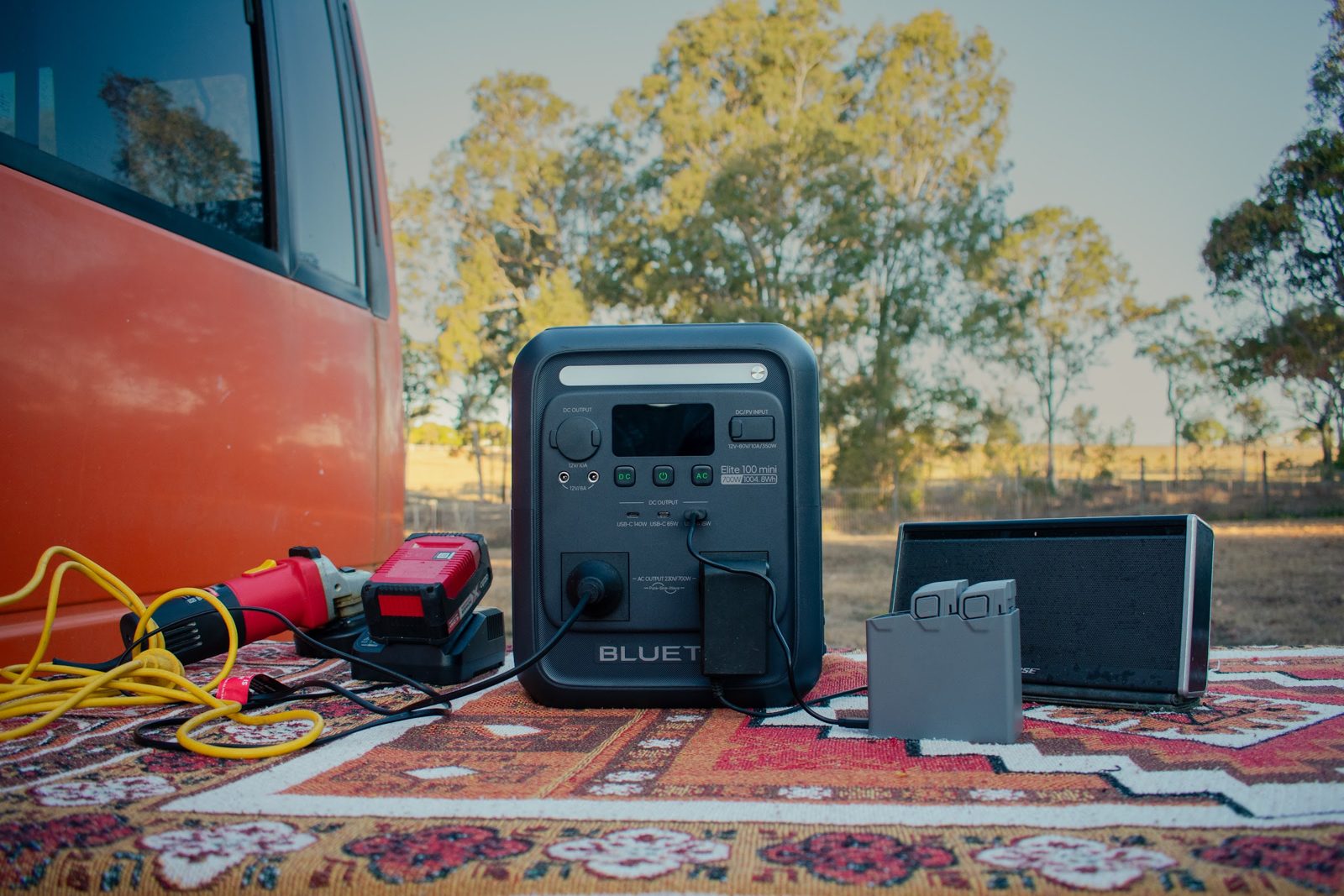
The Elite 100 mini stores 1,004.8Wh in LiFePO4 (lithium iron phosphate) cells, the chemistry that lasts thousands of charges. BLUETTI rates them for more than 6,000 cycles before they drop to 80% capacity. It puts out 700W continuously across eight ports, including a 140W USB-C port that will charge most laptops at full speed. There’s a built-in LED light, app control, and a UPS mode that BLUETTI says switches to battery within 10 milliseconds if the power drops, which is quick enough to keep a modem and router online.
BLUETTI says it takes up about 45% less space than its older AC180 and weighs about a third less. On its global site, BLUETTI quotes 80% charge in 90 minutes from the wall and up to 350W of solar input.
Our take
For the battery size, A$699 is sharp. EcoFlow’s DELTA 3 Plus, which has a similar 1,024Wh battery, was A$1,599 at EcoFlow’s Australian store on 3 November. BLUETTI’s own AC180P was A$1,499 at BCF. Australia isn’t paying a big premium either: it launched in the US in September at US$429, which is about the same once you allow for the exchange rate and GST.
The catch is the output. That cheaper EcoFlow can deliver 1,800W at once. The Elite 100 mini tops out at 700W. That covers a 12V fridge, laptops, lights, phones, a CPAP or the modem and router. It won’t run a kettle, toaster or microwave properly. BLUETTI’s Power Lifting mode lets heating appliances up to 1,400W run, but it works by giving them less power, so they run slower and weaker than at the wall.
You can’t add batteries later. Bigger power stations, like the EcoFlow DELTA 2 MAX in our portable power station guide, take extra batteries as your needs grow. This one doesn’t, so 1kWh is what you get.
Early reviews are good. The Solar Lab measured 97% efficiency, unusually high for a power station, and a full charge in about two hours on the wall. It called the 350W solar limit a little low. CGMagazine’s reviewer ran a CPAP machine on it through a blackout. We haven’t used it ourselves.
Why it matters right now
Storm season is starting in much of the country, and a blackout is when most people wish they’d bought one. The early-bird price ends on 18 November, nine days before Black Friday on 27 November. Power stations are a regular in Black Friday sales, so the early-bird deal and the Black Friday price could end up close. Our deals page lists current price drops on the products we cover.
Price and availability
- Elite 100 mini: A$699
- With a 100W solar panel: A$999
- With a 200W solar panel: A$1,199
- With the Charger 1 car alternator charger: A$999
These are early-bird prices on BLUETTI’s Australian store from 3 to 18 November 2026. BLUETTI set up the code MrGadget100 for our readers, which takes another 6% off at checkout, so A$657.06 for the standalone unit. We couldn’t confirm the Australian warranty when we wrote this, so check it before you order.
Who should buy, and who should wait
Buy if you want enough battery for a weekend of camping, a 12V fridge, or a modem, lights and phones through a blackout, and you’d rather carry 10.7kg than 20kg.
Wait, or look elsewhere, if you need to run a kettle, microwave or power tools at full strength, or you want to add batteries later. Our portable power station guide covers bigger options. If you only need to keep phones and a laptop going, a power bank is far cheaper.